Peptide Testing: Hplc & Mass Spec Pureness Guide Peak
Exactly How To Review A Peptide Pureness Examination: Hplc, Mass Spectrometry And Coa Analysis For Uk Scientists 2026
We utilize GC-MS, ICP-MS, and other methods to find impurities, making sure product safety and regulatory conformity. Peptide sequencing is vital for identifying the specific amino acid sequence of peptides, including modifications like phosphorylation or acetylation. Sequencing permits researchers to comprehend the biological function of the peptide and its interaction with various other molecules, assisting in the style of useful peptides for varied applications. The peptide sample is liquified in a suitable solvent and loaded right into an autosampler.
Peptide purity refers to the quantity of the appropriate peptide in the peptide product. Nonetheless, for complete top quality assessment or the characterization of peptides for a selection of applications, additional analytical tests are advised. For example, in order to ensure success in different peptide experiments, it might be necessary to remove trifluoroacetic acid (TFA), or to review the solubility of hydrophobic peptides before executing the required experiments. Throughout the discovery, we use RP-HPLC combined with MS to figure out the molecular weight of the peptide. The absolute quantity of the appropriate peptide in a sample is the item of the peptide material and the peptide pureness. BOC Sciences has a top-tier peptide high quality screening system, integrating sophisticated analytical modern technologies and high-end instrumentation to offer exact and reliable peptide high quality evaluation solutions.
- Tandem mass spectrometry (MS/MS or MS TWO) pieces the peptide ions in the gas stage and evaluations the piece masses.
- The peptide is passed through a simple filtration action (commonly gel purification or a quick reversed-phase cleanup) to eliminate salts, small-molecule results, and scavengers from the cleavage step.
- A useful assay gauging downstream signaling-- or a structural study using NMR or X-ray crystallography-- demands the highest possible pureness offered.
- " Tailing"-- where the optimal tracks off slowly on one side-- can show column problems, sample overloading, or secondary communications in between the peptide and the stationary stage.
- For a lot of readers of a peptide beginners' overview, "research-grade" is the world you run in.
Kinds Of Pollutants Hplc Spots
Unlike a maker's internal screening, independent third-party laboratory recognition is unbiased and offers honest outcomes, including reputation through unbiased analytical data. This procedure is essential for preserving high peptide high quality because the peptide market is mostly unregulated in lots of locations, and without validation some providers might use impure, mislabeled, and even phony peptides [3] Making certain that each batch undertakes proper lab testing aids confirm the peptide's authenticity and pureness, which is crucial for both study legitimacy and safety and security. Peptide purity refers to the percentage of your example that is the correct, unabridged peptide sequence, without other peptide-related impurities. For instance, a purity of 98% indicates that 98% of the peptide product is the designated item, while the other 2% may be undesired remnants of synthesis (such as incomplete sequences or amino acid removal variants).Modified Peptides
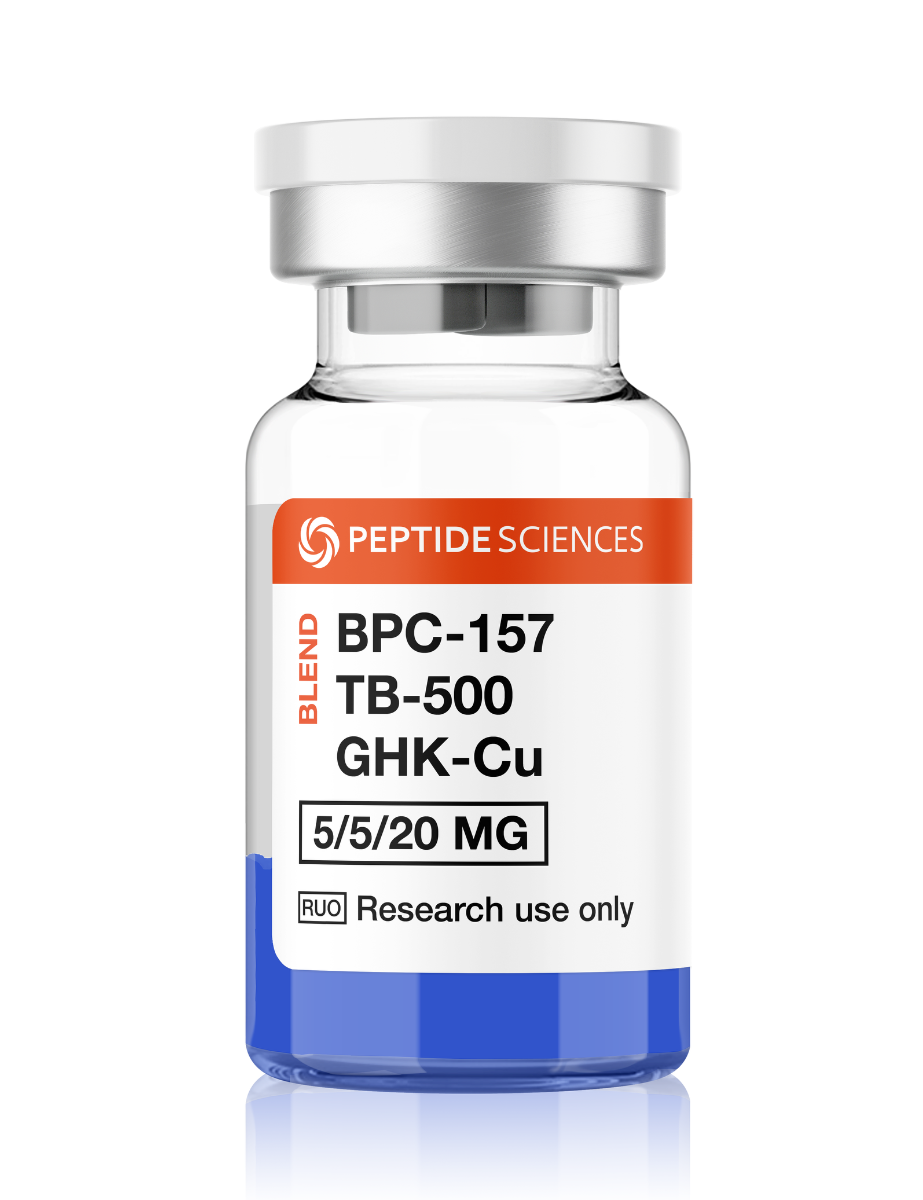
Along with HPLC and MS, specialized laboratories might use orthogonal techniques for added precision. For example, capillary electrophoresis can be utilized to separate really hydrophilic peptides or to confirm outcomes, and MALDI-TOF mass spectrometry can assist in mapping bigger or customized peptides. Numerous peptide manufacturers or providers will offer a COA (Certification of Analysis), for example our bpc 157 tb 500 mix, that consists of the pureness percentage by HPLC and identity confirmation by MS for each set. Top-tier laboratories More help typically report peptide pureness well above 95%, regularly ≥ 98-99%, by utilizing state-of-the-art HPLC and MS evaluations. They additionally examine both basic materials and finished peptide vials, which aids capture any kind of contaminations, destruction items, or solution incongruities.Our Services

In basic terms, a peptide provided as 95% pure is composed primarily of the target peptide (95%), with the remaining ~ 5% comprised of pollutants. These pollutants can include points like reduced or abbreviated series, deletion versions, oxidized residues, or other minor side-products from the synthesis procedure. Peptides are extensively made use of in the medical visual appeals, cosmetics, and biomedical areas as a result of their one-of-a-kind biological activity and broad application possibility. Nevertheless, the top quality of peptide items directly affects their effectiveness and safety, making accurate top quality testing solutions vital.
Each peptide has a different expected molecular weight, so mass verification is not a common badge; it is compound-specific proof. For a much deeper identity-focused description, see Mass Spectrometry Peptide Verification. Identity testing confirms that what was synthesised is in fact the desired series. An example might create a clean-looking chromatogram with one dominant peak and still be the incorrect substance if identity was never ever verified. HPLC procedures splitting up and loved one peak location; mass spectrometry steps mass-to-charge actions that can be utilized to validate molecular identity. Peptide pureness screening is the procedure of validating that a peptide example has just the intended series-- and no significant contaminants or by-products from synthesis. Due to the fact that peptides are created via complicated chemical procedures, trace contaminations can form naturally. Checking enables scientists to comprehend specifically what's in the vial, verifying both identification and high quality. Picking a respectable third-party lab is essential to obtaining trusted peptide recognition results.